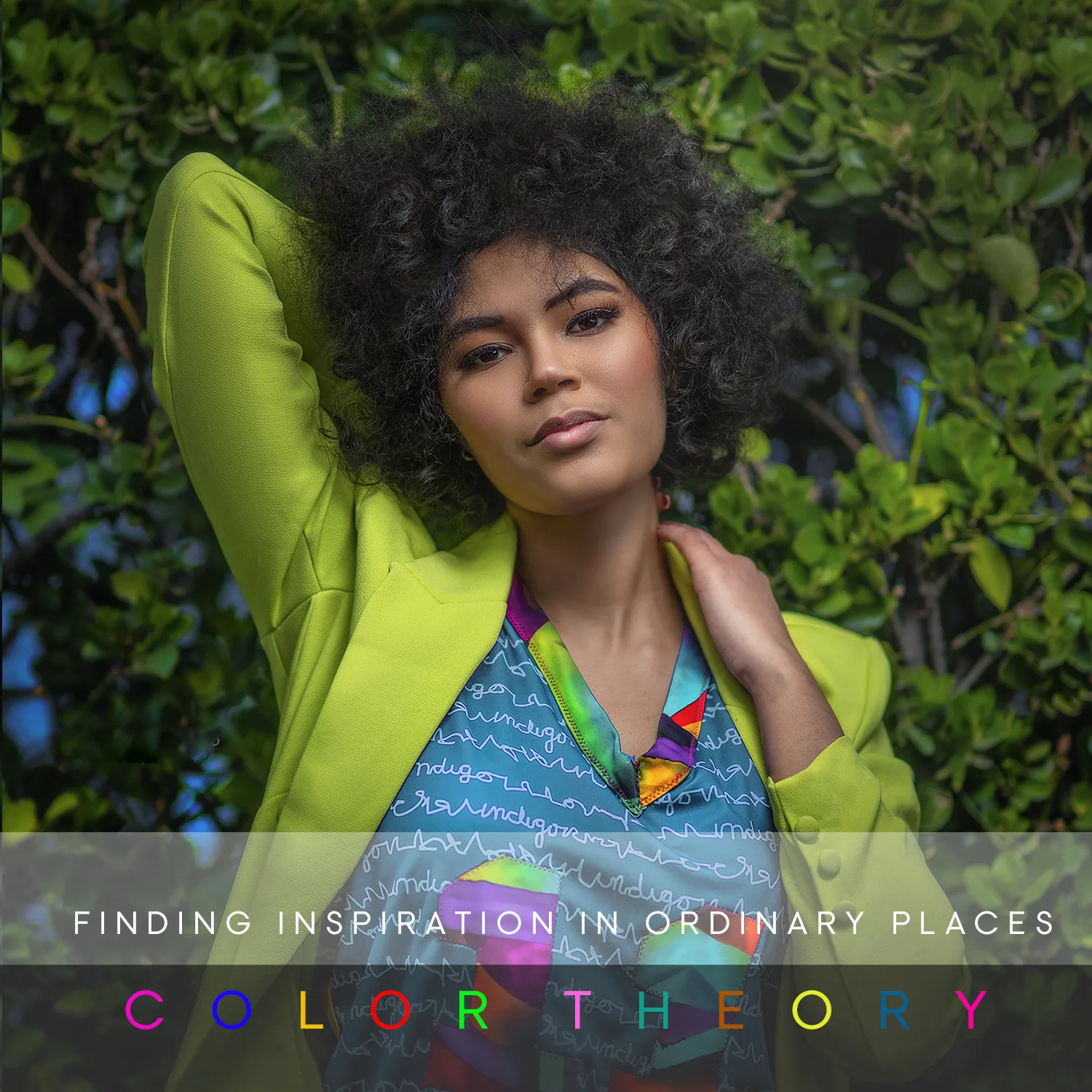
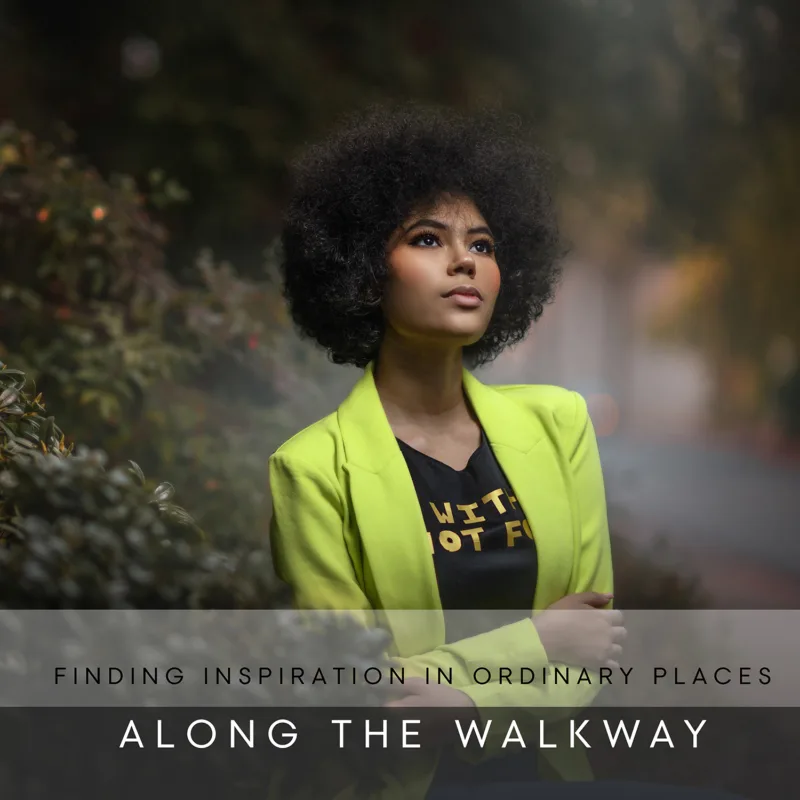
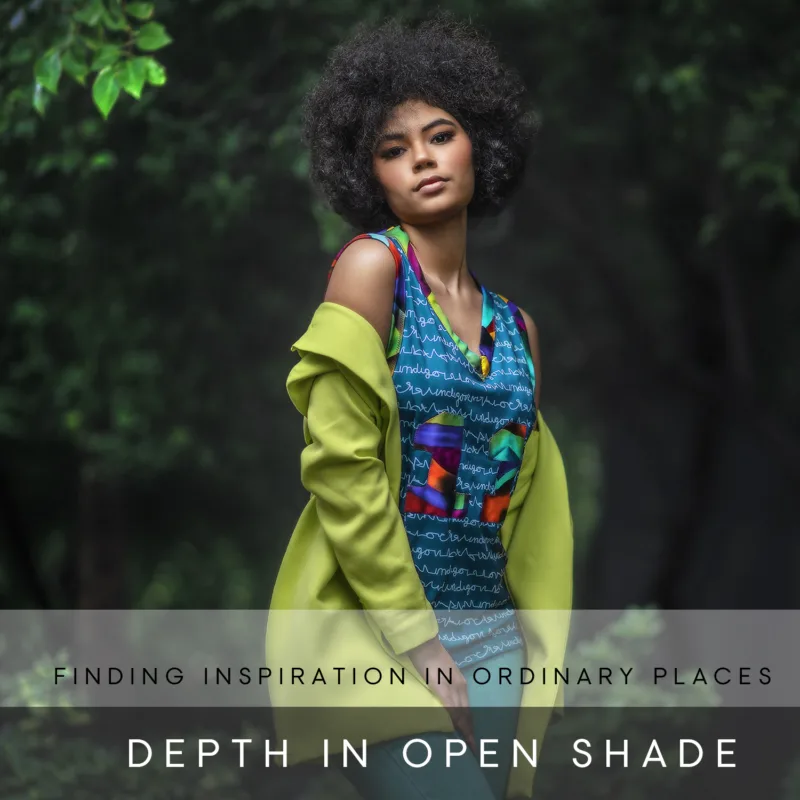
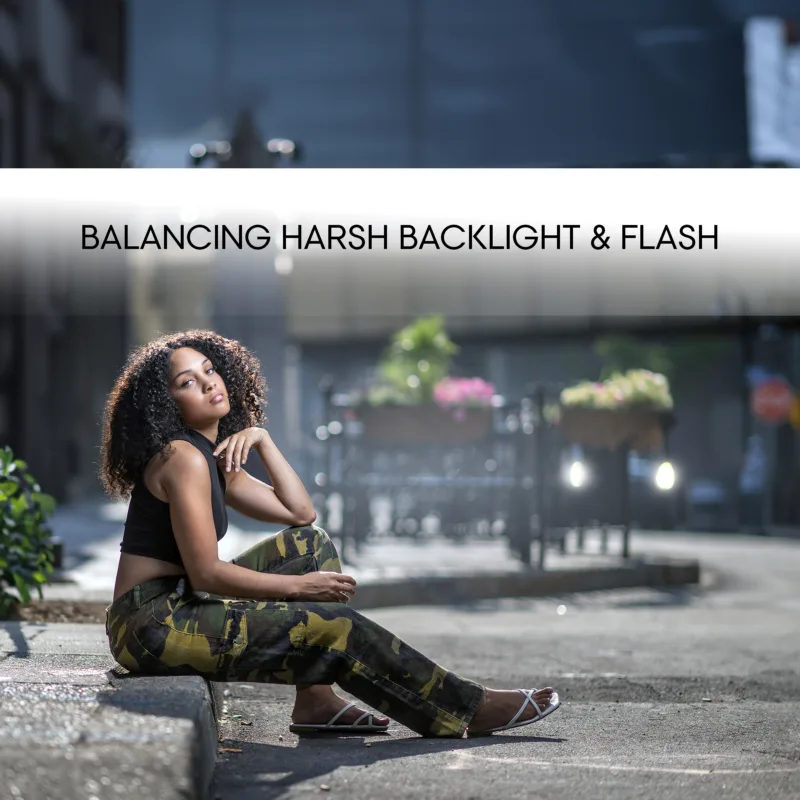
This installment of Finding Inspiration in Ordinary Places focuses on using color as part of the decision-making process...even when the location itself gives you very little to work with.
The setup took place beside a hotel in an area that was convenient for the client, but certainly wasn't chosen because it was visually impressive. The main elements available were a simple green hedge and a plain white exterior wall.
But those elements were enough.
The original idea for the photograph actually changed during the shoot. As the setup developed, color became the direction. The green hedge provided one part of the palette, while the white wall gave me a neutral surface that I could intentionally shift cooler during the edit. I also changed the color of the subject's shirt to complement those cooler tones and bring the entire palette together.
This course walks through that thought process from capture through the final image. You'll see how I evaluate the colors that already exist in an environment, decide which ones are useful, and then use editing to support and expand what I saw while shooting.
The larger lesson is about understanding that a location doesn't need to arrive with the perfect color palette already built for you. Sometimes the ingredients are there, but the photographer has to recognize them and decide how they should work together.
You'll see the actual behind-the-scenes environment, the decisions made during the shoot, why the original direction changed, and the complete RAW-to-final edit in Adobe Photoshop.
This course includes:
Behind-the-scenes footage from the actual setup
How an ordinary hedge and hotel wall became the foundation for the image
The thought process behind changing creative direction during the shoot
How existing color influenced the composition and final treatment
Color balance decisions used to transform the neutral background
How wardrobe color was changed to strengthen the overall palette
Complete RAW-to-final editing in Adobe Photoshop
A color-driven approach that can be applied to ordinary locations
Although a strobe is used during the tutorial, the principles taught aren't dependent on flash. Natural light photographers can apply the same ideas around color, composition, location selection, and building a cohesive finished image.